The Challenges Crane Businesses Face In Their Work
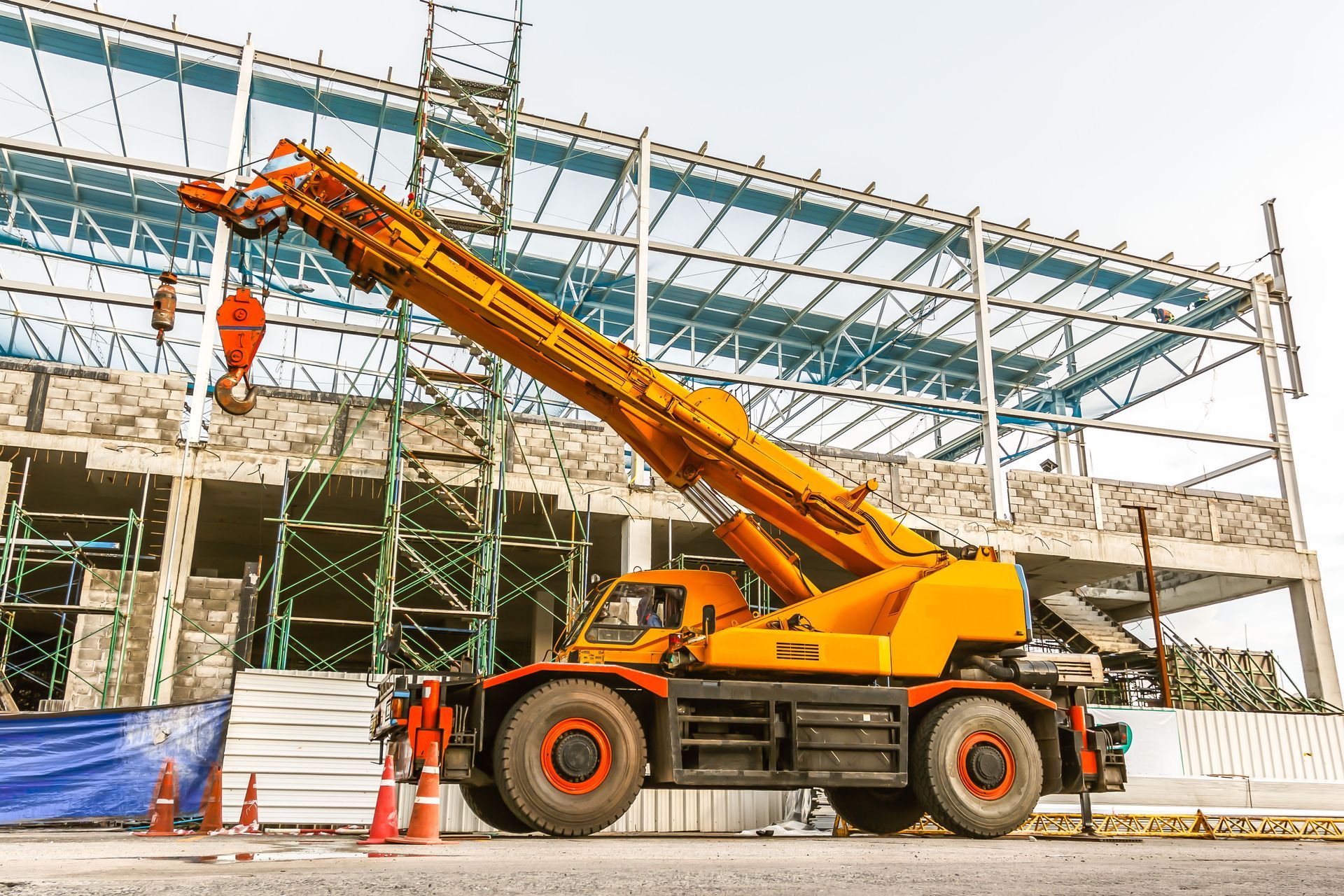
In today's rapidly evolving construction industry, crane businesses are crucial for infrastructure development. However, these businesses face a myriad of challenges that can impact their operations and profitability. This article delves into the key obstacles crane companies encounter and explores potential solutions to ensure their success and sustainability. Crane businesses are pivotal in modern construction, with their services essential for handling large-scale projects. Recognizing the challenges confronting these companies is vital for understanding how they contribute to and navigate within the construction sector.
1. Regulatory Compliance
1.1 Navigating Complex Regulations
The regulatory landscape for crane businesses is multifaceted and constantly evolving. Companies must stay abreast of local, state, and federal regulations to maintain compliance. Navigating these complex regulations requires dedicated resources and expertise, often necessitating the hiring of specialists. Missteps in regulatory compliance can lead to costly fines and legal challenges. Consequently, a proactive approach to understanding and implementing regulatory changes is crucial for crane operators.
1.2 Meeting Safety Standards
Safety is a paramount concern in the crane industry, with stringent standards in place to prevent accidents. Despite regulatory progress and increased awareness, the average of 44 crane-related fatalities per year has not significantly declined over the past decade according to OSHA Outreach Sources. This statistic underscores the critical need for comprehensive safety protocols and regular training programs. Crane businesses must invest in safety equipment and conduct ongoing assessments. Maintaining a safety-focused culture within the organization is essential for reducing workplace risks.
1.3 Environmental Concerns
Environmental regulations have added complexity to the operational dynamics of crane businesses. Companies are now required to assess the environmental impact of their activities and implement mitigation measures. Issues such as noise pollution, emissions, and land disturbance demand careful monitoring and management. As sustainability becomes a driving force in construction, crane operators must align their practices with environmental standards. Adapting to this shift is necessary for businesses aiming to remain competitive and compliant.
1.4 Keeping Up with Changing Laws
Legislation in the construction and equipment industry is subject to frequent changes. Crane businesses must stay informed about new laws affecting their operations. Legal modifications can influence everything from equipment standards to labor regulations. Failure to keep pace with legislative changes can result in operational disruptions and financial penalties. Regular engagement with industry bodies and legal experts is vital for anticipating and adapting to these changes effectively.
1.5 Certification and Training Requirements
Certification and training are critical components in ensuring the competency and safety of crane operators. Regulatory bodies mandate various certifications to ensure operators are well-versed in safety and operational protocols. Meeting these requirements involves investing in training programs and facilities. This commitment not only enhances safety but also boosts operational efficiency and reputation. Staying updated on industry-standard certifications is essential for maintaining operational legitimacy in the competitive market.
2. Workforce Challenges
2.1 Shortage of Skilled Operators
Crane businesses are experiencing a shortage of skilled operators, impacting their ability to meet project demands. This shortage is attributed to factors such as an aging workforce and a lack of young entrants in the industry. Attracting and retaining skilled operators requires competitive compensation and career advancement opportunities. Companies must also invest in training programs to develop new talent. Addressing this workforce challenge is critical for maintaining operational capacity and meeting future demands.
2.2 Retention of Qualified Personnel
Retaining qualified personnel in the crane industry is a persistent challenge. Employee turnover can disrupt operations and increase recruitment costs. Establishing a positive work culture and providing benefits are effective strategies for retention. Offering professional development programs may also enhance job satisfaction and loyalty. By creating a supportive work environment, crane businesses can improve retention rates and ensure workforce stability.
2.3 Training and Development Programs
Training and development programs are essential for equipping employees with the skills needed in the dynamic crane industry. These programs ensure operators are proficient in the latest technologies and compliance standards. Continuous learning opportunities help employees adapt to evolving industry demands. Investment in training also enhances productivity and safety, reducing the likelihood of accidents and operational mishaps. Crane businesses that prioritize training are better positioned to maintain a skilled and knowledgeable workforce.
2.4 Managing Labor Costs
Labor costs constitute a significant portion of expenses for crane businesses. Efficient management of these costs is crucial for maintaining profitability. Strategies such as optimizing work schedules and cross-training can enhance workforce productivity. Negotiating competitive labor contracts also contributes to cost-effective operations. Achieving a balance between cost management and employee satisfaction is key to sustaining business success.
2.5 Mitigating Workplace Hazards
Workplace hazards are inherent in the crane industry, necessitating comprehensive safety measures. Regular assessments and safety drills are vital for mitigating risks. Implementing technology to monitor and manage hazards can also enhance workplace safety. Engaging employees in safety initiatives fosters a culture of vigilance and responsibility. Prioritizing hazard mitigation not only protects workers but also reduces the potential for costly incidents.
3. Technological Advancements
3.1 Embracing Automation
Automation is reshaping the crane industry, offering opportunities for increased efficiency and safety. Automated systems can handle routine tasks, allowing operators to focus on complex operations. This shift requires significant investment in technology and training. Despite upfront costs, automation can lead to long-term savings and productivity gains. Embracing automation also positions crane businesses for future advancements and competitiveness.
3.2 Integration of IoT Devices
Internet of Things (IoT) devices have become integral in monitoring and optimizing crane operations. These devices provide real-time data, facilitating predictive maintenance and reducing downtime. Integrating IoT technology enhances operational visibility and decision-making. However, implementation requires careful planning and data management strategies. As IoT adoption increases, crane businesses that leverage this technology will benefit from improved operational efficiency.
3.3 Investing in Maintenance Technology
Advancements in maintenance technology offer significant benefits for crane businesses. Predictive maintenance systems can identify potential issues before they escalate into costly repairs. Investing in these technologies minimizes equipment downtime and prolongs asset life. This proactive approach to maintenance enhances reliability and operational continuity. Crane businesses that prioritize maintenance technology are better equipped to meet project deadlines and performance standards.
3.4 Adapting to New Crane Designs
New crane designs incorporate technological innovations that improve functionality and efficiency. Adapting to these designs requires understanding their operational advantages and integration requirements. Training operators on new systems is essential for maximizing these benefits. While transitioning to new designs involves investment, the long-term operational improvements justify the costs. Businesses that adapt quickly to updated designs maintain a competitive edge in the industry.
3.5 Cybersecurity Threats
As crane operations become increasingly digitalized, cybersecurity threats pose significant risks. Protecting sensitive data and operational systems from cyberattacks is a priority. Implementing robust cybersecurity measures involves adopting best practices and security technologies. Regular audits and employee training on cybersecurity awareness are crucial components of a comprehensive security strategy. Crane businesses must remain vigilant against evolving threats to safeguard their digital assets and operational integrity.
4. Economic Pressures
4.1 Fluctuations in Demand
The crane industry is subject to cyclical demand fluctuations that affect revenue and workforce stability. Economic cycles and infrastructure investments drive these variances. Developing strategies to manage demand swings involves diversifying service offerings and market outreach. Establishing flexible operational models allows businesses to adapt quickly to changing market conditions. Proactively addressing demand fluctuations is crucial for stabilizing business operations and finances.
4.2 Rising Equipment Costs
Rising equipment costs present a significant financial challenge for crane businesses. New technology and design innovations contribute to price increases. Strategic planning for equipment procurement and maintenance is necessary to manage these expenses. Leasing options and long-term supplier partnerships can offer financial relief. Balancing cost management with operational demands requires informed decision-making and market insights.
Crane businesses operate in a challenging environment that requires a nuanced understanding of various industry pressures and adaptational strategies. By effectively addressing these challenges, from regulatory compliance to optimizing operational efficiency, these businesses can not only survive but thrive, ensuring a sustainable future in the dynamic construction landscape. Embracing technological advancements and prioritizing workforce development are key strategies for long-term success. Crane companies must also focus on maintaining strong safety and environmental standards. Through proactive engagement with industry trends and challenges, crane businesses can secure their place in the evolving construction industry. Be sure to reach out to Adcock Cranes today for more information on our professional crane businesses!
Share On: